


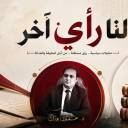

By: Dr. Adnan Bozan
O you who walk across the soil of stories…
slow down a little.
For this dust is not the dust of a road,
but the ashes of hearts
that burned
so the homeland might keep a name,
and the sun might have a window
opening onto the mountains.
I am the Kurd…
the one who slept for a long time
on a pillow of wind,
and when he awoke,
he found that history had stolen his voice,
leaving him only the flute
to weep alone
in distant corridors.
I am the son of those mountains
that used to hide the fighters
as a mother hides her child
from the knives of night,
and the son of rivers
that, whenever they saw a corpse,
washed it with water
so the scent of death would not reach the sky.
If I die one day…
do not raise a statue for me in the squares,
for statues are standing graves,
and I am tired of standing
at the borders of waiting.
Do not turn my name
into a banner for trade,
nor into a political speech
for those who applaud
after selling the country
and then weeping for it in front of cameras.
Leave me…
like a sunrise
that quietly climbed my homeland’s mountains,
passed through villages,
woke bread in the ovens,
and returned to the shepherds
their old songs.
Leave me
like a stalk of wheat
broken by war,
yet still keeping
in its heart
the secret of seasons.
I was not a prophet,
nor a knight of iron legends.
I was only
a man carrying a wounded homeland
in the suitcase of his heart…
and walking.
And how I walked…
I walked until my feet became
two maps of exhaustion,
until the night
knew my name
more than my friends did.
I saw cities
being slowly slaughtered,
and I saw children
grow up before their time,
as if war itself
were a cruel mother.
And I saw women
carrying the country on their backs
like trees carry
the nests of birds
through the storm.
Yet still…
despite all this ruin,
I believed
that the homeland is not only a flag,
but a mother’s bread,
the scent of soil,
and the voice of a shepherd
returning at sunset.
I believed
that lands which give birth to the flute
do not die,
and that peoples
may be defeated a thousand times
but never lose their memory.
Therefore…
when my death comes,
do not hang my picture
on weary walls,
and do not write beneath it:
“He was a sad poet here.”
Say only:
“A man passed from here
who loved his homeland
more than himself,
and tried to plant
in this long night
a window for the sun.”
Then let me go…
like an old Kurdish song
that came out of a mother’s heart,
who hid her tears
in the edge of her dress
and sang…
so the children would not hear
the sound of the world breaking.